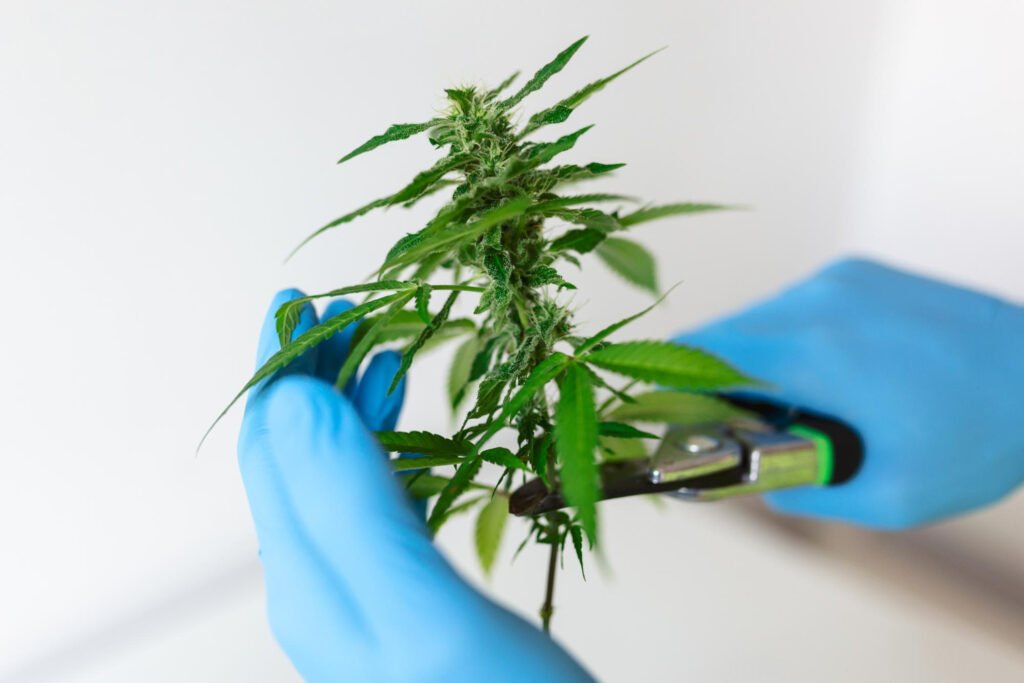
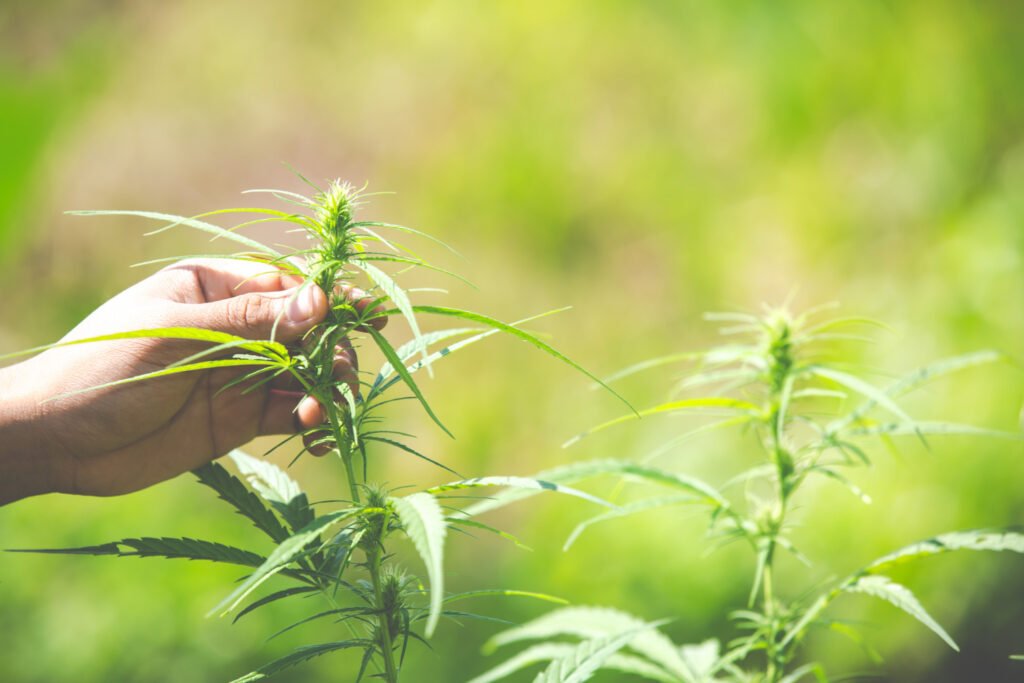
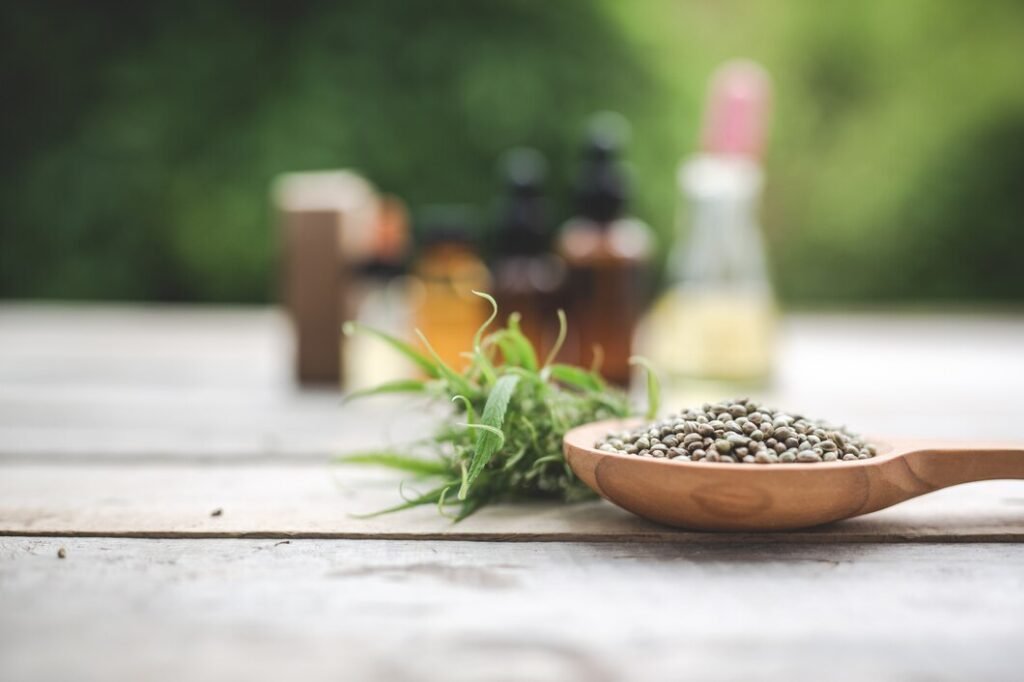
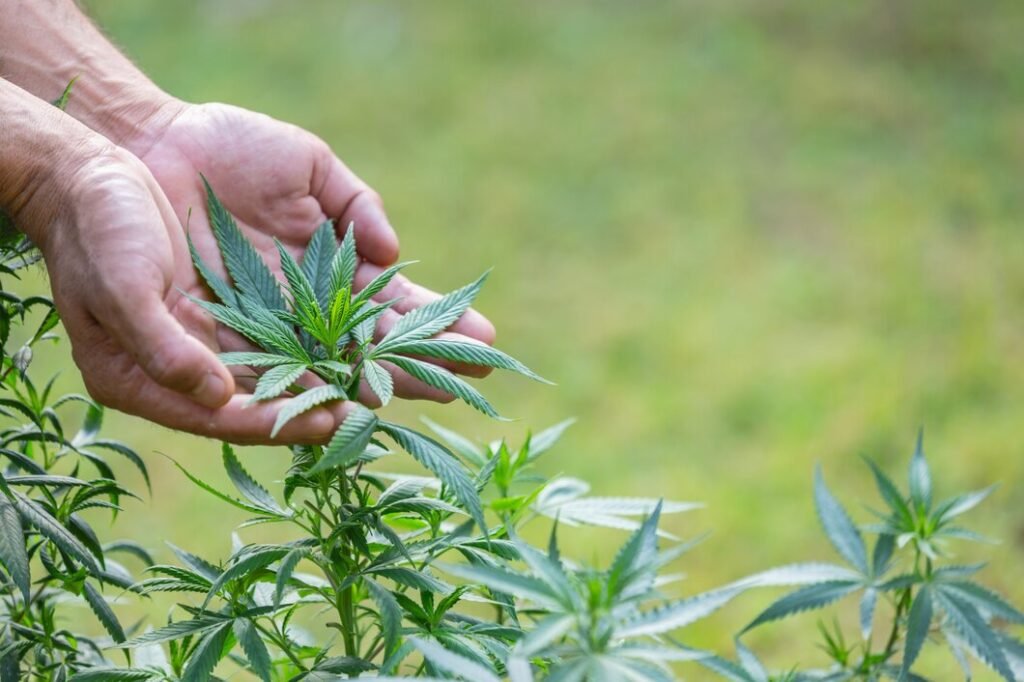
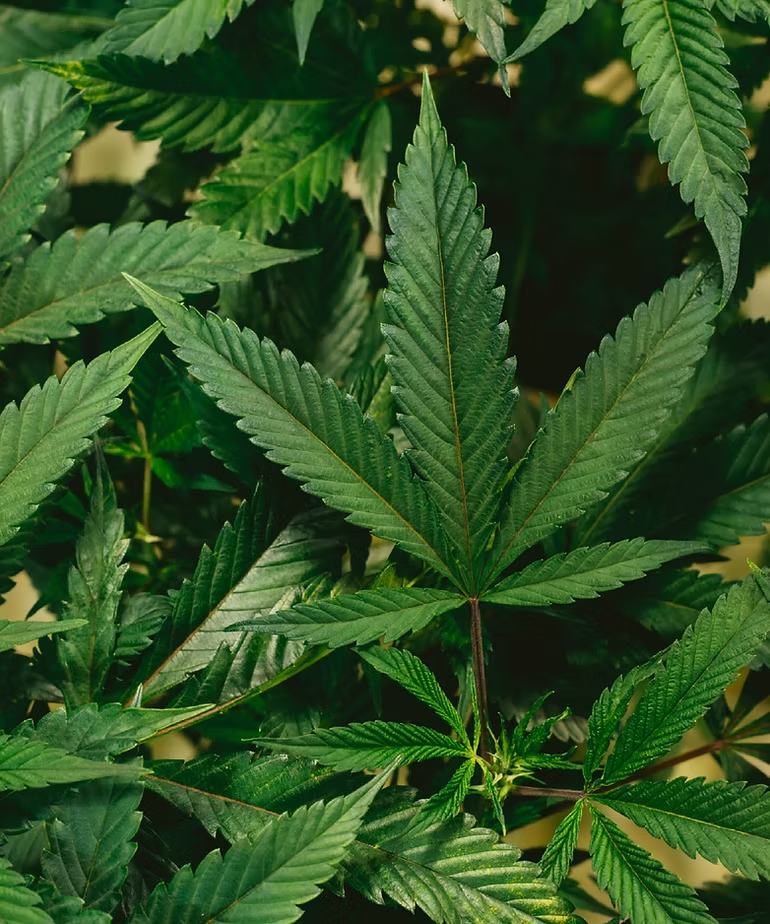
Medical cannabis refers to the use of the cannabis plant or its extracts to treat various
health conditions. It includes a variety of products such as oils, tinctures, edibles,
capsules, and topicals that contain active cannabinoids—primarily THC
(tetrahydrocannabinol) and CBD (cannabidiol).
How Does Medical Cannabis Work?
Cannabinoids interact with the body’s endocannabinoid system (ECS), which plays a
crucial role in regulating functions like mood, appetite, pain, and inflammation. The ECS
has receptors in various parts of the body, including the brain and immune system. By
binding with these receptors, cannabinoids like THC and CBD can help alleviate
symptoms associated with a wide range of medical conditions.
Common Uses of Medical Cannabis
Medical cannabis is used for the management of various conditions, including:
Chronic Pain: Cannabis is effective in managing pain related to conditions like arthritis, fibromyalgia, and nerve damage.
Cancer Symptoms: Cannabis can help reduce nausea and vomiting caused by chemotherapy, as well as improve appetite.
Epilepsy & Seizures: CBD, in particular, has been shown to reduce the frequency and severity of seizures.
Mental Health: Medical cannabis can help with anxiety, depression, and PTSD, often with fewer side effects than traditional medications.
Multiple Sclerosis: Cannabis is used to alleviate muscle spasms, spasticity, and other symptoms of MS.
Sleep Disorders: Cannabis can help individuals with insomnia or other sleep-related issues by promoting relaxation and improving sleep quality.
Types of Medical Cannabis Products
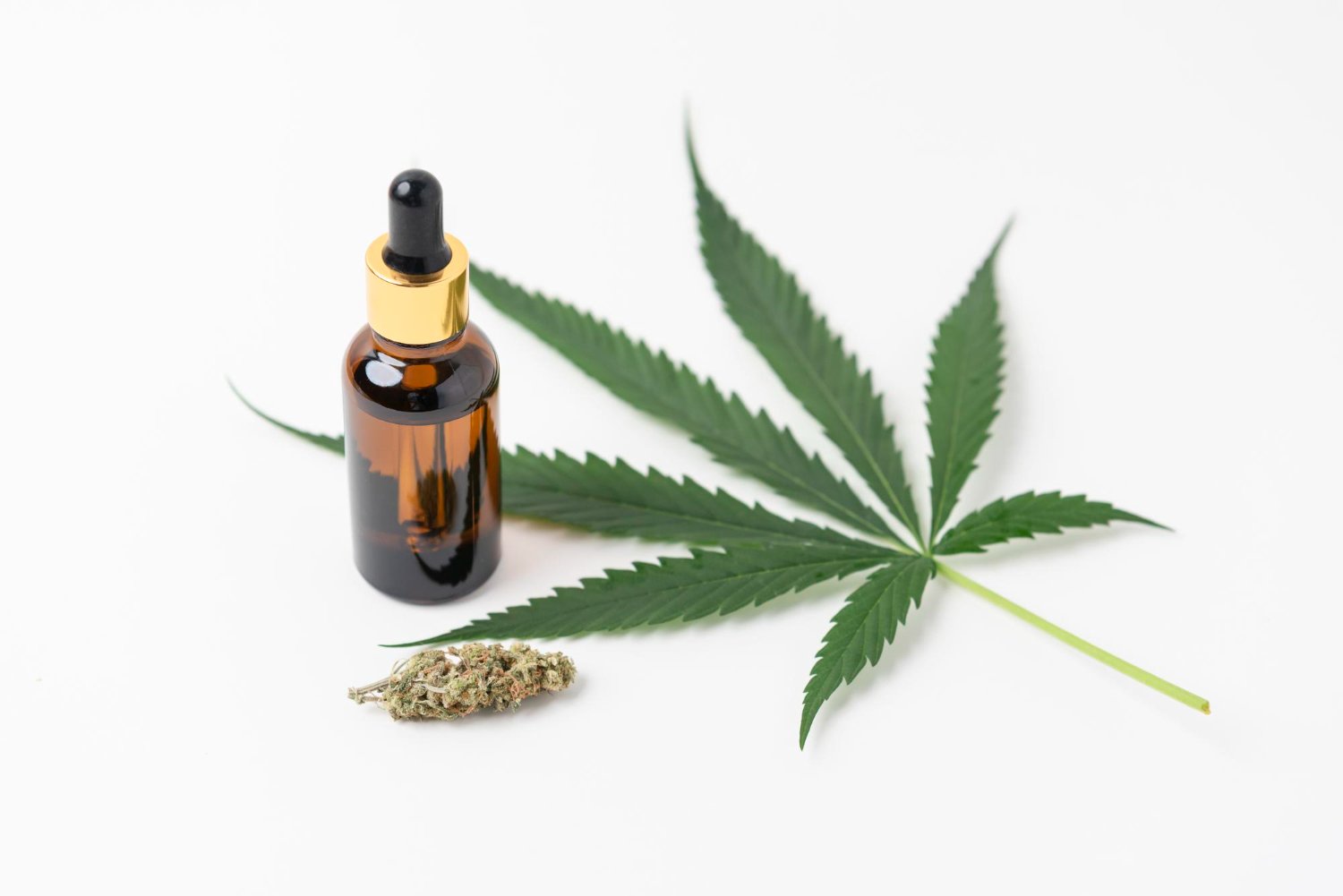
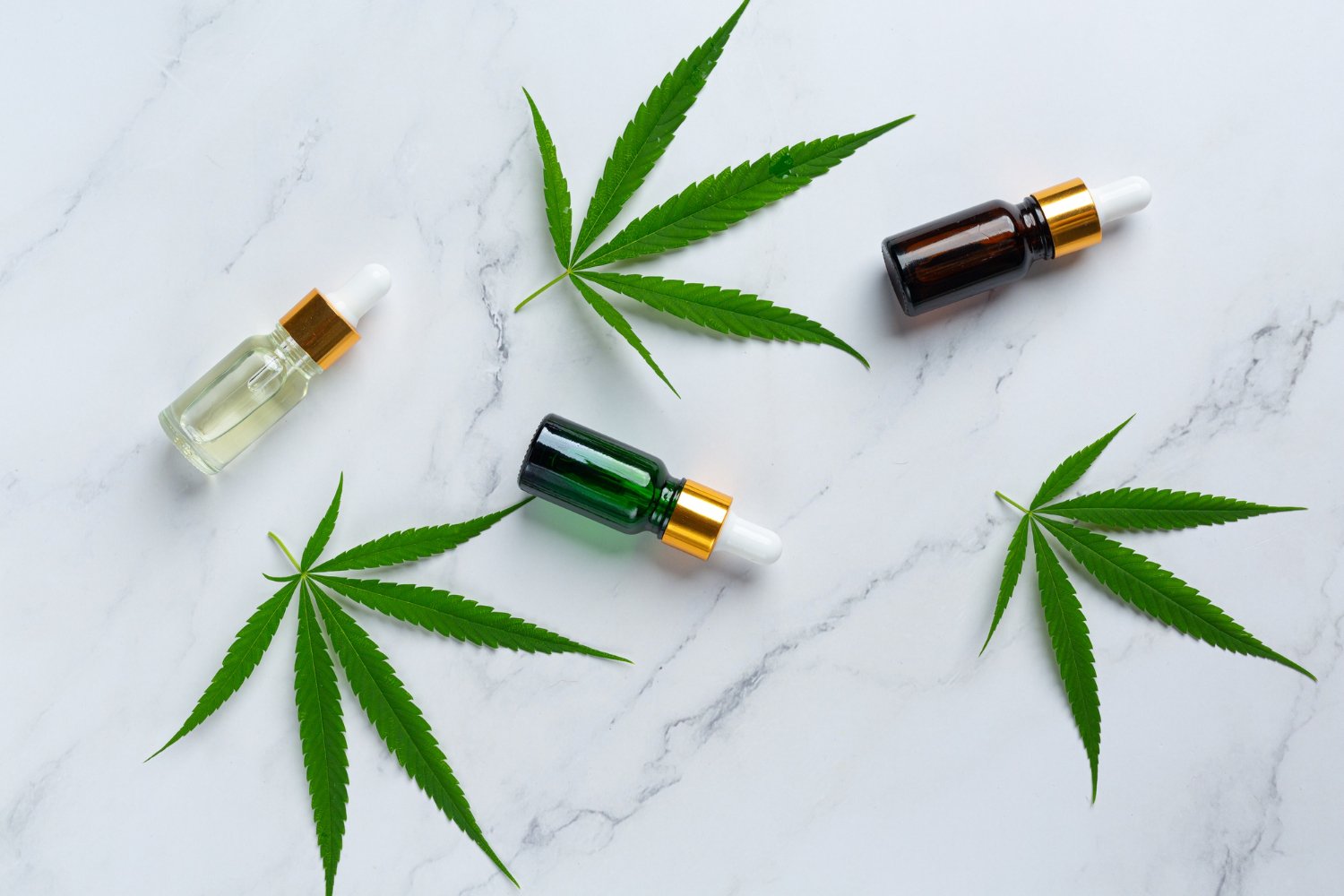
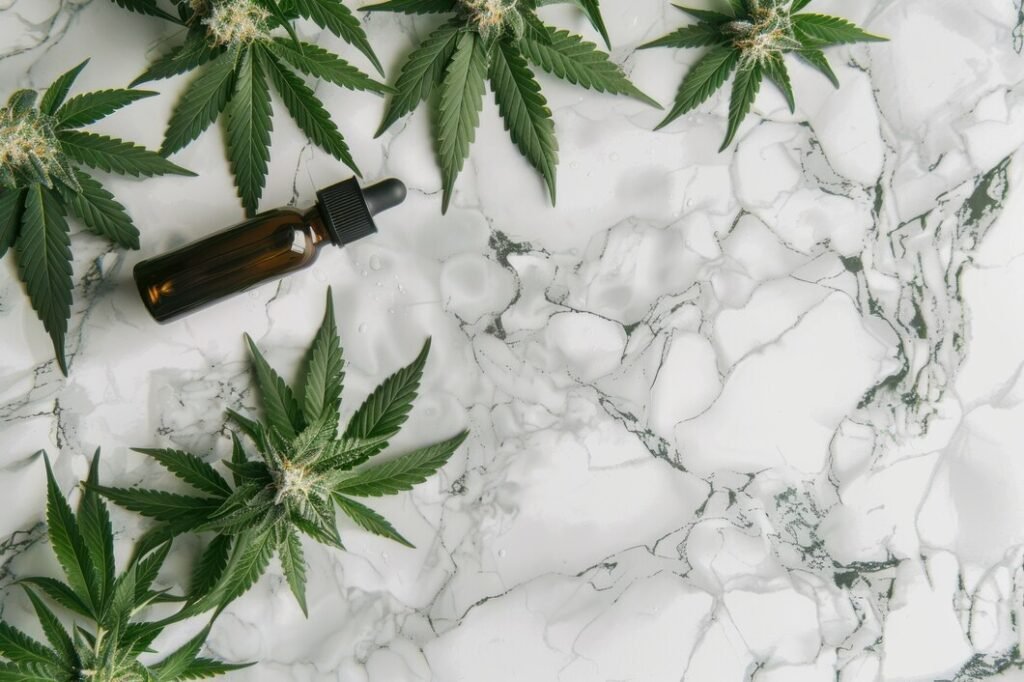
Oils & Tinctures: These liquid forms of cannabis are highly concentrated and provide quick, consistent dosing. They’re often taken sublingually (under the tongue).
Capsules & Pills: Pre-measured doses of cannabis, providing a discreet and easy way to administer consistent amounts.
Edibles: Cannabis-infused foods (e.g., gummies, chocolates) provide a long-lasting effect but take longer to kick in.
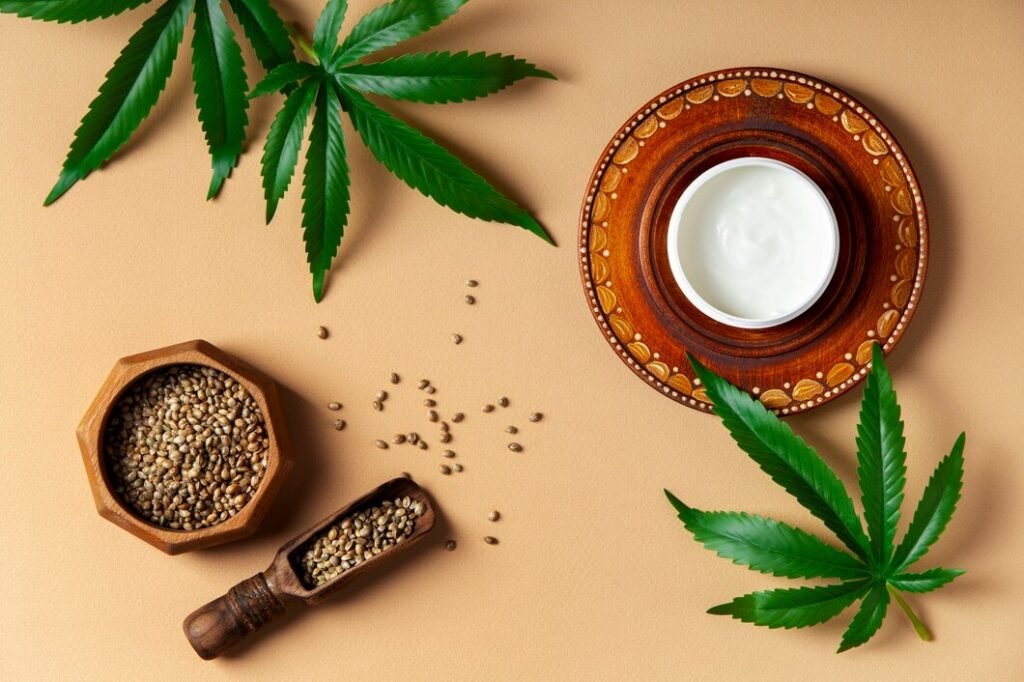
Topicals: Creams and balms infused with cannabis that are applied directly to the skin to relieve localized pain and inflammation without a psychoactive effect.
Vaporizers: Devices that heat cannabis to release vapor instead of smoke, allowing for quicker absorption of cannabinoids.
Flower: The traditional form of cannabis, typically smoked or vaporized, for those who prefer this method.
THC vs. CBD: Understanding the Difference
THC: The primary psychoactive compound in cannabis, responsible for the “high” effect. It also offers pain relief, appetite stimulation, and anti-nausea effects.
CBD: A non-psychoactive compound with a wide range of therapeutic benefits, including reducing anxiety, alleviating pain, and improving sleep, without causing a high.
Benefits of Medical Cannabis
Pain Relief: Cannabis can significantly reduce chronic pain, making it a valuable alternative to opioid painkillers.
Reduced Inflammation: Many patients find relief from conditions like arthritis and autoimmune diseases through the anti-inflammatory properties of cannabis.
Improved Quality of Life: For patients suffering from debilitating conditions, cannabis can improve overall well-being by enhancing mood, relieving pain, and improving sleep.
Legal Considerations and Regulations
Medical Cannabis Legalization: Medical cannabis laws vary by country and region. In the U.S., for example, it’s legal in many states but remains federally prohibited. Always stay updated on local regulations regarding medical cannabis.
Patient Qualifications: In areas where medical cannabis is legal, patients often need a doctor’s recommendation and must meet specific eligibility criteria based on their medical condition.
Product Standards: Ensure all products meet the required quality standards and undergo rigorous testing for potency and safety (e.g., testing for pesticides, heavy metals, and THC/CBD content).
Heartland's Herbal Healing: Our Commitment
At Heartland’s Herbal Healing Research and Development, we’re dedicated to providing the highest quality medical cannabis products to support health and wellness. Our products are developed with a focus on sustainability, research, and patient care. We offer:
Premium Cannabis Strains: Cultivated for medicinal purposes, with a focus on effective THC and CBD ratios.
Research & Development: We prioritize ongoing research to continually improve the efficacy and safety of our products.
Education & Consultation: We believe in empowering our patients with knowledge. Our team provides expert consultations to guide individuals in choosing the right cannabis products for their needs.
Third-Party Lab Testing: All of our products undergo rigorous third-party testing to ensure purity, potency, and safety.
Medical Cannabis in the USA
Medical cannabis in the United States has experienced significant growth and evolving legal
status over the past few decades. Here's a comprehensive overview:
Medical Cannabis in the USA: Legal Status
1. Federal Law vs. State Law
Federal Law: Cannabis remains classified as a Schedule I controlled substance under the Controlled Substances Act (CSA) at the federal level. This means it is illegal to produce, distribute, or possess cannabis for any purpose, including medical use. However, the Cole Memo (2013) and subsequent guidance from the Obama administration allowed states with legal cannabis laws to operate without federal intervention, provided they adhered to certain principles (e.g., preventing distribution to minors). Under the current administration, federal policies regarding cannabis enforcement are less clear, though no significant changes have been made to the Schedule I status.
State Law: As of February 2025, 38 states plus Washington D.C. have legalized medical cannabis in some form. This allows registered patients to access medical cannabis under specific regulations. The qualifications and requirements vary from state to state, including the conditions that can be treated with medical cannabis, the process for obtaining a medical card, and the forms of cannabis that are available.
2. State Variations
Each state has its own rules regarding medical cannabis:
Eligibility: Most states require patients to have a qualifying condition (e.g., chronic pain, epilepsy, cancer, PTSD, anxiety) and obtain a recommendation from a licensed physician. Some states allow telemedicine consultations to obtain a medical cannabis recommendation.
Regulations: States regulate the production, distribution, and sale of medical cannabis, often through licensed dispensaries or delivery services. There are strict standards for product testing, labeling, and the types of cannabis products allowed.
Dispensaries: In most states, cannabis can only be purchased at licensed dispensaries. Patients need to present their medical cannabis card or documentation to make purchases.
Home Cultivation: Some states allow patients to grow their own cannabis for medical use, but this is typically limited to a certain number of plants.
3. Legal Status by State (2025)
Here is a summary of states with medical cannabis laws:
Fully Legal for Medical Use: This includes states like California, New York, Florida, Texas, Michigan, and Colorado, where patients can access a wide range of cannabis products.
Medical Use with Restrictions: Some states, like South Dakota or Idaho, have more limited programs, often restricting the types of products available, or requiring patients to prove their condition with specific documentation.
Pending/Active Legislation: States like Missouri, Arkansas, and North Dakota are still evolving their medical cannabis laws or expanding access.
How to Access Medical Cannabis in the USA
1. Obtain a Medical Cannabis Card
Medical Evaluation: A licensed physician must evaluate you and provide a recommendation if you have a qualifying medical condition.
Application: After receiving a physician’s recommendation, you can apply for a medical cannabis card through your state’s medical cannabis program (most states have online portals). You will likely need to provide identification, proof of residency, and a fee.
Approval: Once approved, you will receive a medical cannabis card, allowing you to purchase cannabis from a licensed dispensary.
2. Visit a Licensed Dispensary
Dispensaries are the primary legal locations for purchasing medical cannabis products. Dispensaries will require you to present your medical cannabis card before purchasing.
3. Types of Products Available
Flower: Traditional cannabis flower (buds) that can be smoked or vaporized.
Edibles: Cannabis-infused foods such as gummies, chocolates, or beverages.
Concentrates: Potent cannabis extracts in various forms, such as oils, waxes, and shatters.
Tinctures: Alcohol-based cannabis extracts that are typically used sublingually.
Topicals: Cannabis-infused creams, lotions, and balms for localized pain relief.
Capsules/Pills: Convenient, pre-measured doses of cannabis in pill form.
Medical Cannabis and Health Conditions
Medical cannabis is increasingly prescribed to manage the symptoms of the following conditions:
Chronic Pain: Cannabis is commonly used to manage conditions like arthritis, fibromyalgia, and back pain.
Cancer: Cannabis can help reduce chemotherapy-induced nausea, improve appetite, and relieve pain.
Epilepsy: CBD, a non-psychoactive cannabinoid, has been shown to reduce the frequency and severity of seizures.
Mental Health Disorders: Medical cannabis is used to treat anxiety, PTSD, depression, and insomnia, particularly with CBD products that don’t cause the high associated with THC.
Neurological Disorders: Conditions like Parkinson’s disease and multiple sclerosis (MS) benefit from cannabis’ anti-inflammatory and muscle-relaxant properties.
Federal vs. State Challenges
Banking & Taxes: Cannabis businesses, including dispensaries, struggle with banking, as most financial institutions follow federal law and don’t offer services to cannabis-related businesses. This has led to a reliance on cash-only transactions, which creates logistical issues.
Research Limitations: The Schedule I status of cannabis has also hindered large-scale scientific research into its full potential, although more studies are being conducted as states push for more data on cannabis benefits and risks.
Insurance Coverage: Medical cannabis is not generally covered by health insurance plans because of its federal classification, which means patients typically pay out-of-pocket.
Future Outlook
The future of medical cannabis in the USA looks promising:
Federal Legalization: There is increasing momentum for federal legalization or decriminalization, driven by public opinion, economic opportunities, and successful state-level programs.
Expansion of Access: As more states legalize medical cannabis, access to products will increase, and regulations will likely become more standardized.
Ncreased Research: With evolving legal frameworks, more clinical research will be conducted to establish the efficacy and safety of medical cannabis.
Which are the most common conditions that can be treated with medical cannabis?
Far far away, behind the word mountains, far from the countries Vokalia and Consonantia, there live the blind texts. Separated they live in Bookmarksgrove right at the coast
Far far away, behind the word mountains, far from the countries Vokalia and Consonantia, there live the blind texts. Separated they live in Bookmarksgrove right at the coast
Far far away, behind the word mountains, far from the countries Vokalia and Consonantia, there live the blind texts. Separated they live in Bookmarksgrove right at the coast
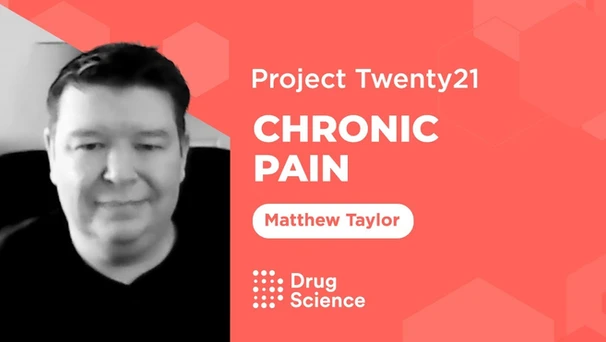
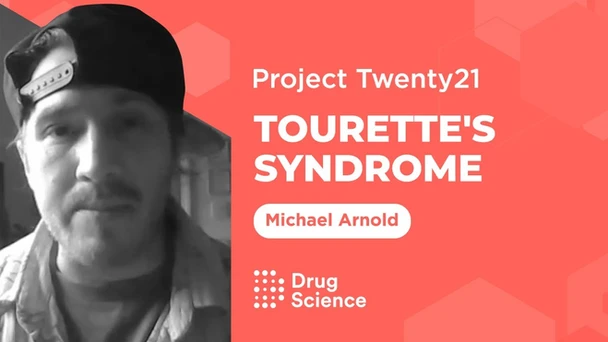
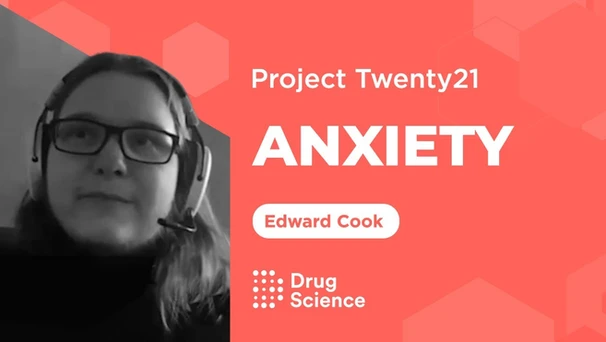
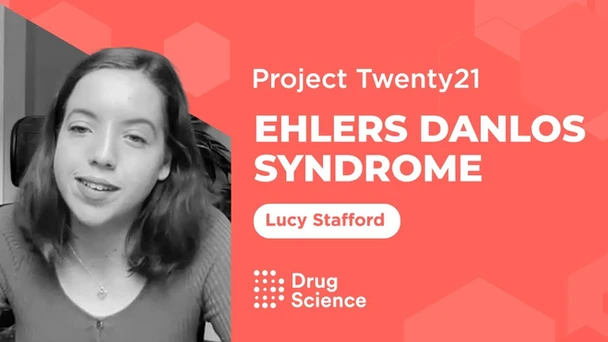
Patient Stories
Click on the thumbnails to see the transformative power of medical cannabis in treating a wide variety of conditions.
All patient stories are available at the button below.
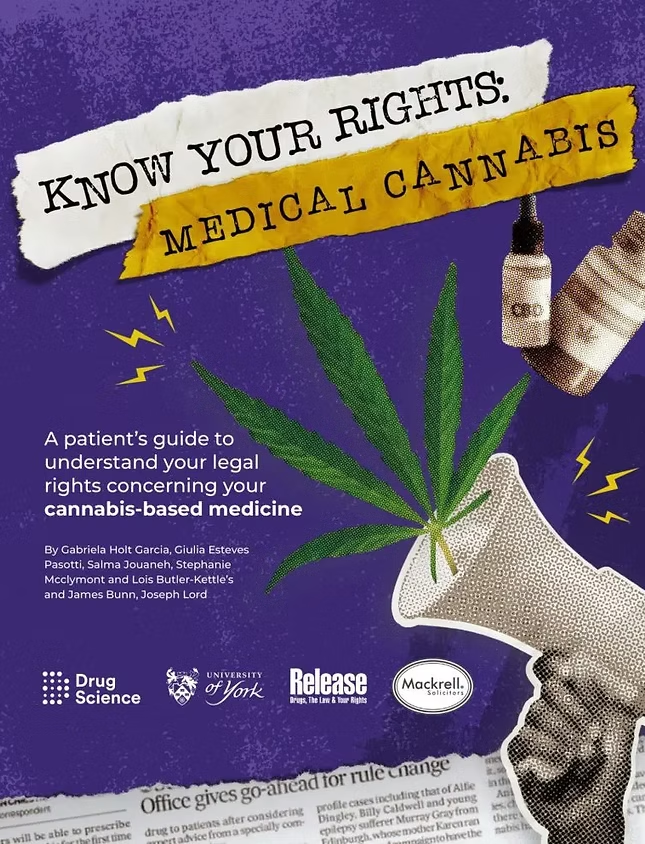
Cannabis-Based Prescribed Medicines have been available in the UK since 2019. These medicines are permitted for the treatment of various medical conditions, provided an individual demonstrates exceptional clinical necessity and has exhausted at least two alternative treatment options without success.
The rollout of Cannabis-Based Prescribed Medicines has been tumultuous and has left patients, employers, and UK police forces confused regarding their rights and the law. This document aims to alleviate some of that confusion.
*Important Note for Readers
This information is provided as a guide for educational purposes only. Whereas every effort has been made to ensure its accuracy, it is important to understand that is not legal advice, and the information must not be relied upon as such. This is because the information set out herein is not nearly detailed or tailored enough to address all the legal considerations that may arise in any specific circumstances. Some information has been paraphrased and additional legal topics have been omitted for ease of reading, as have many exceptions to the rules set out herein. We would therefore encourage anyone facing issues of a legal nature to contact Mackrell.Solicitors or another suitably qualified law firm for bespoke advice.
A variety of medical cannabis products are available for private prescription in the UK, including flowers, oils, and vaporizers. In the UK, most medical cannabis is considered an unlicensed medication. While it is fully legal when prescribed appropriately, there are strict guidelines that must be followed to ensure both the patient and the medical cannabis specialist make the right treatment choices. You can read more about medical cannabis here.
Far far away, behind the word mountains, far from the countries Vokalia and Consonantia, there live the blind texts. Separated they live in Bookmarksgrove right at the coast
Far far away, behind the word mountains, far from the countries Vokalia and Consonantia, there live the blind texts. Separated they live in Bookmarksgrove right at the coast
A variety of medical cannabis products are available for private prescription in the UK, including flowers, oils, and vaporizers. In the UK, most medical cannabis is considered an unlicensed medication. While it is fully legal when prescribed appropriately, there are strict guidelines that must be followed to ensure both the patient and the medical cannabis specialist make the right treatment choices. You can read more about medical cannabis here.
Far far away, behind the word mountains, far from the countries Vokalia and Consonantia, there live the blind texts. Separated they live in Bookmarksgrove right at the coast
Far far away, behind the word mountains, far from the countries Vokalia and Consonantia, there live the blind texts. Separated they live in Bookmarksgrove right at the coast
Keep up-to Date
Click below to subscribe to the Drug Science email list to get the most up-to date research and content.